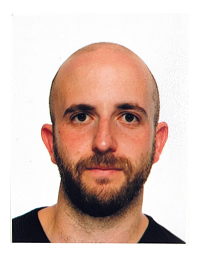
Jonathan Eintracht graduated with First Class Honours from the University of Western Australia after investigating the properties of RNA delivery to stem cells to direct them to different cell types under the guidance of Dr Sam McLenachan and Dr Fred Chen.
Following this, he earned his PhD from University College London (UCL) under the supervision of Professor Mariya Moosajee at Moorfield’s Eye Hospital and the Institute of Ophthalmology. Here, he investigated developmental eye disorders arising at birth such as microphthalmia (a small, underdeveloped eye) and anophthalmia (the absence of an eye). Over the course of his PhD studies, Jonathan created stem cell-based models to study novel disease-causing genetic mutations in families affected by these disorders, as well as identifying new disease mechanisms disrupting normal development of the eye. His interest in heritable diseases also drove him to discover a use for repurposed drugs in treating rare ciliopathies such as Bardet-Biedl and Alstrom syndrome that cause blindness, kidney failure and other developmental anomalies.
As a post-doctoral researcher in the lab of Dr. Abed Mansour, Dr. Eintracht investigated novel biological factors contributing to neurodegenerative diseases using brain organoids. Dr. Eintracht’s primary research interest on using stem cells to understand and treat human disease, as well as his interests in ocular development and function, have led him to the labs of Professors Dror Sharon and Eyal Banin at Hadassah Hebrew University Centre for his postdoctoral fellowship. Under Professor Sharon and Banin's guidance, he plans to engage in the following projects: (1) discovery of novel genetic mutations associated with developmental eye and inherited retinal diseases, (2) generation of stem cell-derived cellular models as a preclinical platform for development of novel therapies to treat retinal degeneration and uncover new disease mechanisms, and (3) development of advanced stem cell-derived models of the human retina and its microenvironment for cell replacement therapy and complex disease modelling.